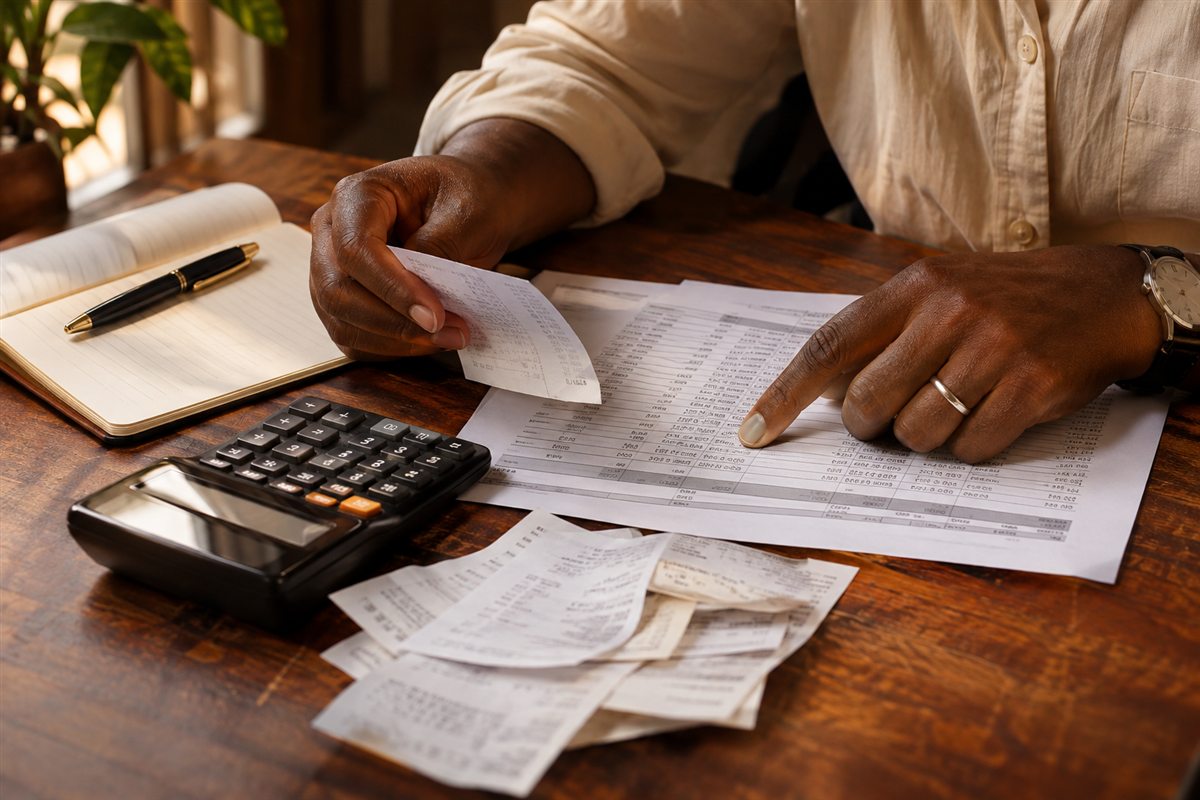
Business industries

Every business has its own rhythm.

How businesses sell, receive payments and operate varies from one activity to another. The organisation of accounts should reflect that reality.

RetailServicesFood and hospitalityIndependent professionals
Checking documents and financial transactions.
A routine adapted to the business.

Areas we support

The context changes. Clarity remains.

Retail

From sales to the monthly close.

Shops and other retail businesses need to connect sales, receipts and expenses. A checking routine helps clarify what has been recorded and what remains outstanding.

  • Checking sales and receipts
  • Organising purchases and expenses
  • Monitoring bank transactions

Illustrative example

In a shop, comparing sales records with payments received helps identify discrepancies before closing the period.

Services

Invoice, receive and monitor.

A service company may have completed work, issued invoices and payments still outstanding. Distinguishing these stages helps interpret results and organise client follow-up.

  • Organising invoices issued
  • Reviewing outstanding amounts
  • Comparing revenue and costs

Illustrative example

A service company can monitor amounts receivable by client and distinguish invoicing from cash actually received.

Food and hospitality

A routine that keeps pace with activity.

Frequent sales, purchases and team changes require well-organised information. Accounting and payroll support starts by defining who provides each piece of information and when.

  • Organising sales and purchases
  • Collecting hours, absences and changes
  • Preparing payroll information

Illustrative example

In a restaurant, an agreed date for submitting team changes makes it easier to prepare the month's payslips.

Independent professionals

Business accounts, in their place.

Separating personal and professional transactions makes information clearer. A filing structure and submission schedule help monitor the activity regularly.

  • Separating business expenses
  • Filing receipts by period
  • Preparing tax documentation

Illustrative example

A professional can gather each month's receipts and identify business expenses before preparing tax information.

Ongoing support

Your business activity is the starting point.

Two companies in the same industry may have different needs. Transaction volume, number of employees and document organisation help determine suitable support.

In the first conversation, we aim to understand your routine and priorities. We then define the services and information needed to start.

If your industry is not listed here, tell us about your business so we can assess the support available.

Contact us

Tell us how your business works.

Tell us about your business and the support you need. Our proposal starts with understanding your business.

Request a proposal